Rewriting the Rules of Industrialised Construction


At Reds10, our journey toward a fully industrialised construction model has always been driven by one principle: the industry can – and must – do better. For too long, construction has relied on fragmented processes, dispersed responsibility, and a main‑contractor model that limits innovation. But the sector is now at a pivotal moment. Digital tools, automation, and integrated design give us an unprecedented opportunity to transform how we build.
We have learned so much on this at Reds10 and it’s these learnings that deepen our conviction that rewriting the rules of industrialised construction is no longer optional – it’s essential.
Why the Traditional Contractor Model Is Holding Us Back
The truth is simple: the dominant contractor-led structure in UK construction creates inefficiency. When a main contractor coordinates a sprawling network of designers, suppliers, and subcontractors, alignment becomes almost impossible. This fragmentation discourages investment in skills and technology and ultimately suppresses productivity gains that our sector desperately needs.
To truly industrialise, contractors must take more ownership. That means developing in‑house design capability, strengthening supply chain integration, and rebuilding a directly employed workforce – a model once common in our industry and now more relevant than ever.
Our Journey: Evolving From Modular Assembly to Industrialised Delivery
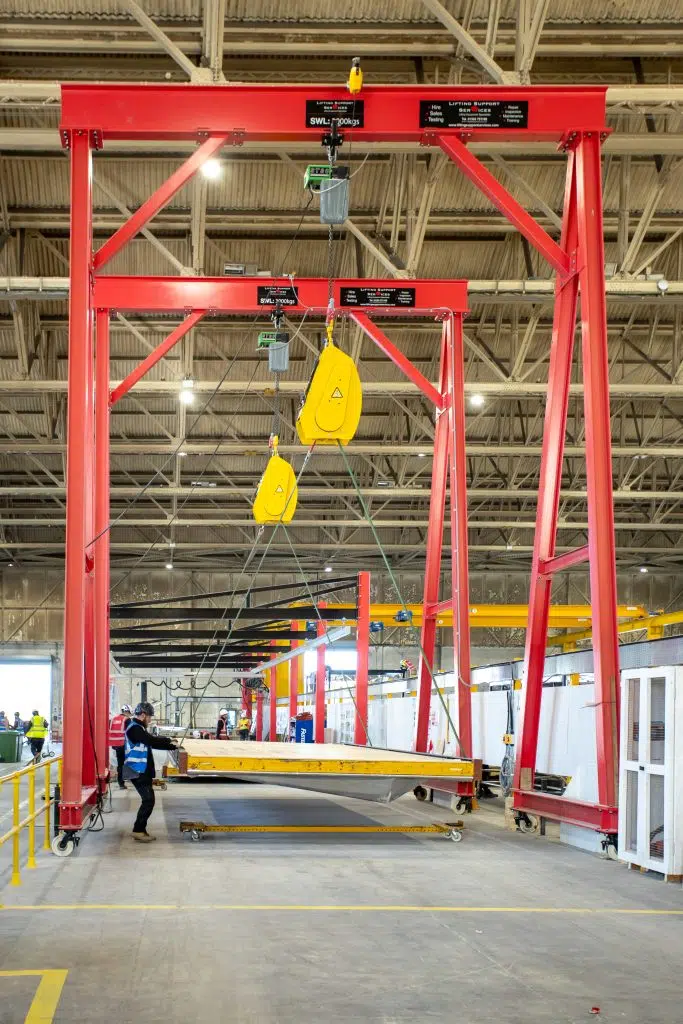
Reds10’s transformation has not been overnight. We began with manual modular assembly in our Driffield factory and have steadily evolved into a highly industrialised operation – driven by long‑term investment, resilience and a belief in what digital construction can deliver.
One of our most important learnings is that technology cannot sit on an island. Digital tools must be embedded across the entire business. By integrating automated tasks, standardising workflows and using data to inform every stage of delivery, we have unlocked levels of consistency and quality that simply aren’t achievable in a fragmented model.
Design & Delivery: The Non‑Negotiable Link
If there is one message I want our industry to take seriously, it is that industrialisation cannot succeed unless design and delivery are structurally integrated.
When these functions are split across different stakeholders, buildability suffers. Critical issues surface too late. Risk increases unnecessarily. The result: wasted time, cost, and opportunity.
By bringing design in‑house, we align intent with execution from day one. Problems are resolved early, and the entire delivery process becomes more reliable and repeatable – creating the perfect foundation for meaningful automation and the application of AI.
Automation and Digital Workflows: The Challenges No One Talks About
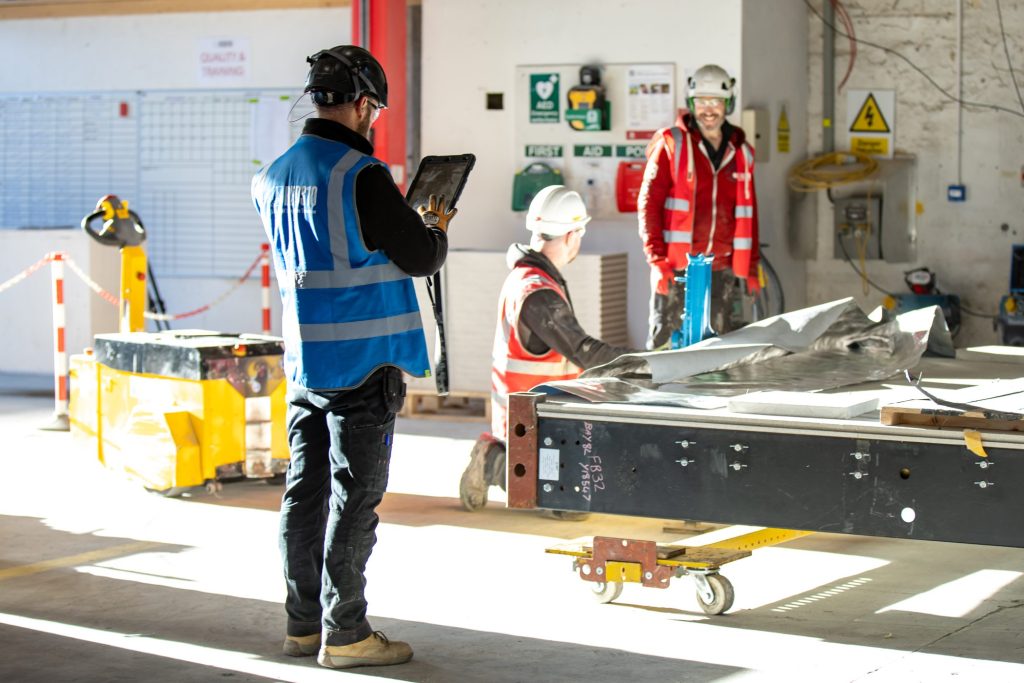
Integrating automation into offsite production isn’t as simple as installing new machinery and walking away. Automation exposes inefficiencies and inconsistencies that you never realised existed, and it demands rigorous, standardised data from end to end.
But these challenges are worth embracing. They force clarity, discipline, and systemisation, all qualities the construction industry has historically lacked.
Looking Ahead: A Sector Ready for Reinvention
Ultimately, industrialising construction means redefining how our industry operates. As digital precision meets on‑site execution, those who embrace integrated models will set the pace. Those who don’t will fall behind.
At Reds10, we believe the future belongs to contractors who act less like coordinators and more like producers:
- owning design
- owning delivery
- owning the supply chain
- and continuously refining processes through data and automation
The opportunity before us is remarkable and we must embrace it.